Love it! Some great examples in there. Not sure I’d want a manicure with my hotpot (Hai Di Lao) but I WOULD love instant messaging a seller before purchase (Taobao)!
139 people agree with this comment
The Chinese word for service is fuwu (服务), which everyone in China who’s older than fifty recognizes as part of the Communist slogan “serve the people” (wei renmin fuwu, or 为人民服务). In the sixties, this maxim was designed to foster the virtue of selflessness, in the name of social harmony and national progress. Although that idea still resonates, citizens of modern China are redefining the meaning of service in the context of one of the world’s most powerful consumer-driven economies.
On the crowded streets of Beijing today, anybody with a few yuan in his or her pocket has more choices than they previously could have imagined. The abundance of choice—domestic and foreign brands, both authentic and fake—combined with China’s manufacturing might is allowing service offerings to evolve. The rest of the world is waiting with baited breath to see how Chinese consumers will shape the offerings of tomorrow. This is a sampling of what we’ve observed so far.
In a market that’s flooded with products of questionable origin (think knock-offs, smuggled goods, or stuff that either fell off the back of a truck or failed to pass safety standards), Chinese consumers look for reassurance and proof that what they’re buying is real.
Taobao.com, the Chinese equivalent of Amazon.com, delivers the convenience of e-commerce with a sense of confidence. The site allows shoppers to send instant messages to sellers to confirm details about a product, such as true fit, color, and whether it’s in stock—a practice that has become a standard consumer behavior. Taobao’s system enables people to ask questions, address any concerns and get responses to their questions in real time.
The site’s official method of payment, Alipay, is also thoughtfully designed: in addition to being SMS friendly and linked to a customer’s bank account, payments are not released to the seller until the customer confirms that the goods have been received and that they are as promised.
Despite its reputation as a suffocating bureaucracy, China is a place where virtually anything is possible and everything is available. Want a custom-made suit for less than US$50? Knock-off Italian furniture? Unlocked iPhones? China has it all — if you know the right person on the right street corner. This no-holds-barred approach, or abundance service, has become legendary at places like Shanghai hot-pot restaurant Hai Di Lao (海底捞火锅店).
“THIS IS THE BEST FRICKING HOT POT RESTAURANT ON THE FACE OF THE PLANET!!!” wrote one reviewer. “It rivals the Ritz Carlton. Free drinks if you want them. They will bring new eyeglass-wiping cloths to wipe the steam from your glasses and offer to do it for you. …there is a children’s playroom, and there are small tables with Chinese Checkers and Chinese Chess, and they have a team of women who will give you a professional manicure. THIS PLACE IS AWESOME.”
Note that this breathless review raves about the utterly satisfying dining experience, not the meal. The restaurant’s reputation is for service—and, increasingly, that’s what customers are coming to expect.
Din Tai Fung is a Taiwanese restaurant chain that has risen from humble beginnings to international acclaim for its handmade steamed pork dumplings, or xiao long bao (小笼包). By providing high-quality yet affordable street food and a consistent service experience, Din Tai Fung has earned loyal fans across Asia and even in the US. New cooks receive a minimum of two months training in order to maintain strict standards, which include rolling a dumpling skin that weighs exactly 5 grams and being able to twist exactly eighteen wrinkles in a row.
Din Tai Fung reflects the growing influence of Hong Kong, Taiwan, Japan, and Korea on China’s service standards and expectations. It is likely that Chinese businesses will continue to seek inspiration from other Asian examples of excellence and innovation in service, rather than trying to imitate Western models, which often neglect the cultural nuances that are critical to long-term success.
Although delivery services are prevalent in any big urban city, China has taken them to the next level. From purchases at brick-and-mortar stores to online shopping on Taobao, everything—including daily groceries and home-cooked meals three times a day—can be delivered.
Increasingly, people in China are asking, Why carry anything or risk over packing when so much can be delivered to any location, quickly and efficiently, and at little or no cost? Their answer—buy on the fly—is fast becoming a personal shopping mantra. To-your-door service is no longer added value, but an expected service from even the smallest neighborhood convenience stores. But what’s most surprising are the ways that business owners close deals based simply on trust and understanding.
One expat’s story: “My wife and I bought two mattresses from a local store in the furniture district of Shanghai, Xujiahui. We didn’t have enough cash to cover the payment, as most local places still don’t take credit cards. So the owner graciously allowed us to pay the delivery people when they delivered the mattresses the next morning. Our response was ‘Really’?”
Really. By 8 the next morning, two deliverymen trudged up three flights of stairs with the mattresses, set them up, and took away all the packaging. The couple paid them the CNY3,200 (US$500) balance for their purchase.
Steven R
November 15, 2011
Thank you for these fascinating examples. The quality of the service has become as important - if not more - than the product itself, this should inspire us to do better in that area. There is so much to learn from those real world examples.
And congratulations for this beautiful site!
Steven
agence référencement
98 people agree with this comment
Sathyan Velumani
January 22, 2012
Great Insights!!
The part about preconceived notions, is so relevant to any service/product design; unless we open up our minds its impossible to get it right.
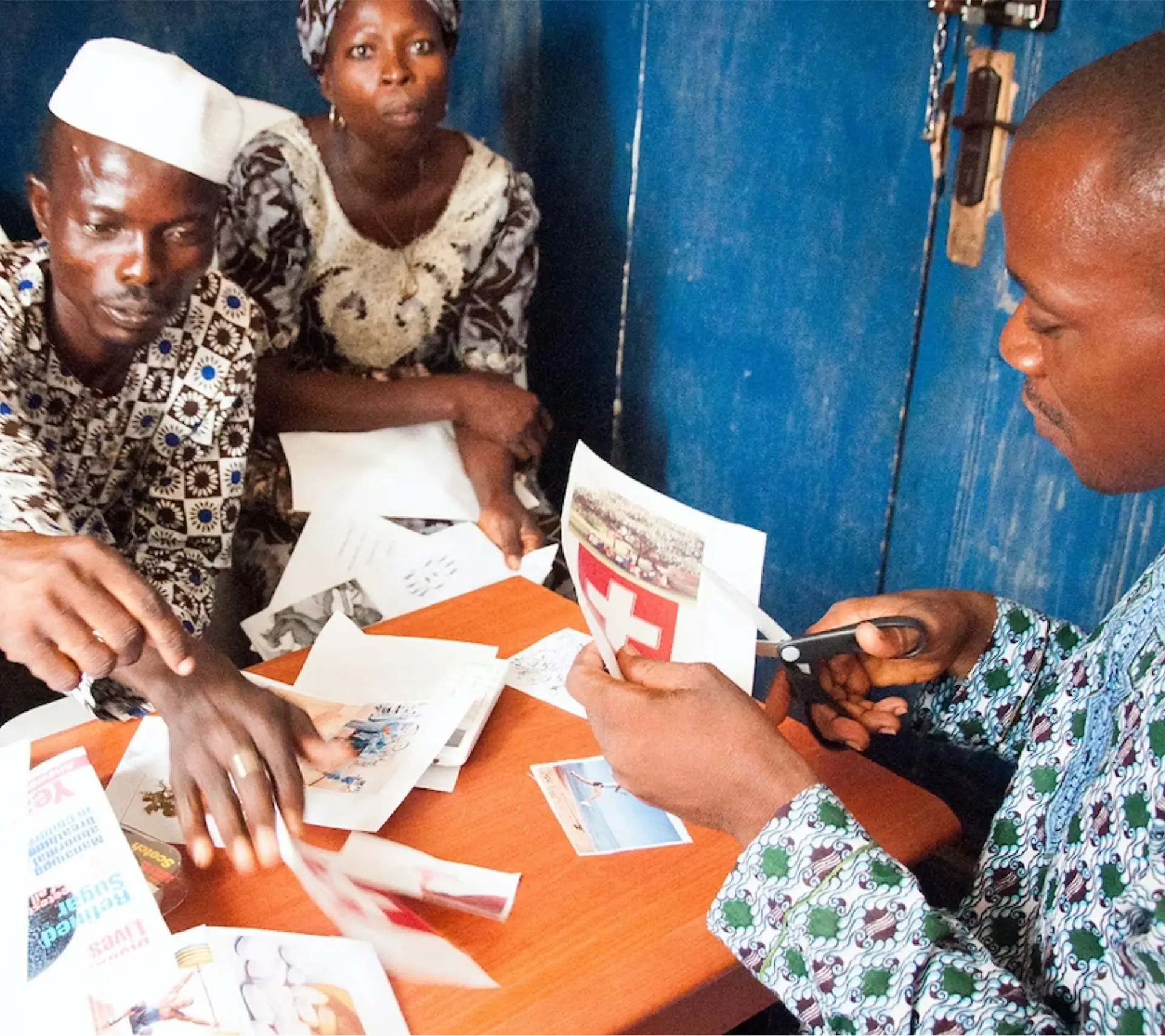
Cultural ‘Nuances’ and understanding them makes all the difference. Currently working on a telecom project and after field work in remote communities in Ghana, realized how much of cultural values play in life of people; at times it defines what we are and what we do.
Thanks for the great article..
83 people agree with this comment
Gujjar
March 15, 2013
It took us three years to build the NeXT computer. If we’d given customers what they said they wanted, we’d have built a computer they’d have been happy with a year after we spoke to them - not something they’d want now.
Tijuana Airport
11 people agree with this comment
Gujjar
March 28, 2013
Your work is going to fill a large part of your life, and the only way to be truly satisfied is to do what you believe is great work. And the only way to do great work is to love what you do. If you haven’t found it yet, keep looking. Don’t settle. As with all matters of the heart, you’ll know when you find it.
home remedy for constipation
9 people agree with this comment
echo
June 29, 2011
This is a good read, great insights!
I happened to noticed the spelling of “ xiao long bao (小龙包)”.
I thought the original and common spelling in China is “小笼包”, because they are cooked in bamboo steamers. On the other hand “小龙包” has a meaning of “Bruce Lee bun” or “Dragon meat bun” 1). Just thought it may be another interesting meaning potentially lost in translation.
source:1)http://baike.baidu.com/view/115026.htm
Thank you and keep up the good work.
189 people agree with this comment
Agree | reply